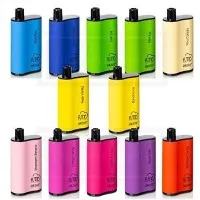

What is the production process of electronic cigarettes
Apr 25, 2024
The production process of electronic cigarettes mainly includes four stages: raw material preparation, component manufacturing, tobacco oil production and filling, complete machine assembly and functional testing. Carefully select batteries and electronic components, mix e-liquid (such as 50% PG and 50% VG ratio). Use automated production lines for battery module assembly and atomizer assembly for high-precision filling and strict quality control of e-liquid. After completing the assembly of the entire machine, perform functional tests such as battery capacity and atomization effect testing to ensure stable and safe performance of each e-cigarette.
Raw material preparation and processing
The production process of electronic cigarettes starts with careful selection and processing of raw materials, ensuring the quality and performance of the products.
Selection and processing of batteries and electronic components
In electronic cigarettes, batteries are not only the source of energy, but also directly related to the safety and portability of use. Manufacturers usually choose lithium-ion batteries because they have the characteristics of high energy density, lightweight, and long lifespan. A standard e-cigarette battery typically has a capacity between 200mAh and 3000mAh, ensuring at least one day of use. In order to further improve safety, batteries and electronic components have undergone strict quality control testing, including short-circuit protection, overcharge protection, and temperature control.
The processing of electronic components is equally precise, involving electronic chips that can achieve precise control of suction, including temperature regulation, power changes, etc., thereby ensuring consistency in atomization effect and diversity in taste. The key to selecting and designing these components lies in optimizing the power output and energy utilization of electronic cigarettes. Manufacturers usually pursue higher performance and longer service life while maintaining cost-effectiveness.
Proportioning and modulation of tobacco oil raw materials
Cigarette oil is the core of the e-cigarette experience, and its quality directly affects user satisfaction. Tobacco oil is usually made from propylene glycol (PG), vegetable glycerin (VG), nicotine and food grade essence. The ratio of PG and VG affects the concentration and throat sensation of smoke after atomization. A common ratio is 50% PG and 50% VG, aimed at balancing the transmission of taste and the volume sensation of smoke.
The adjustment of nicotine content is based on the needs of users, generally ranging from no nicotine to high concentration nicotine, to meet the needs of different users. There are many kinds of essence, from traditional tobacco flavor to fruit flavor and sweet taste, which enrich users' choices. During the blending process of e-liquid, the manufacturer will conduct multiple tests to ensure the accuracy and consistency of the taste.
Preparation of heating wire and cotton core for atomizer
The core components of the atomizer are the heating wire and cotton core, which directly affect the efficiency and experience of atomization. The material for heating wire is usually nickel chromium alloy or stainless steel, because these materials have good electric thermal conversion rate and chemical stability, which can quickly heat and produce atomization. The specifications and design of the heating wire determine the power requirements and atomization effect of electronic cigarettes, with common resistance values ranging from 0.1 ohms to 2.5 ohms, suitable for different types of smoking modes and atomization effects.
The material of cotton core is mostly organic cotton, because organic cotton can provide better liquid absorption ability and pure taste. The processing and preparation of the cotton core need to be very precise to ensure that it can evenly transport the tobacco oil to the heating wire during heating, avoiding the generation of burnt smell.
Manufacturing of electronic cigarette components
The manufacturing of electronic cigarette components is a crucial step in ensuring the final quality of the product, involving precise assembly and strict inspection of battery modules, atomizers, cigarette holders, and casings.
Assembly and testing of battery modules
The assembly of battery modules involves integrating the battery core, protective plate, and housing together. Manufacturers use automated equipment in this process to ensure assembly accuracy and efficiency, thereby reducing the possibility of human errors. The testing process of the battery module is crucial, including but not limited to the detection of voltage, current, internal resistance, and short-circuit protection function. These tests ensure stable and safe performance of the battery, extending the overall lifespan of the e-cigarette.
During the testing phase, each battery module will undergo at least five rounds of charge discharge cycle testing to verify its performance consistency and reliability. These tests simulate actual usage conditions to ensure that each battery module performs well in practical applications, meeting or exceeding user expectations.
Assembly and inspection of atomizers
The assembly of atomizers is a delicate process, including the installation of heating wires, insertion of cotton cores, and sealing of atomization chambers. Accurate resistance values are crucial for achieving the best atomization effect in the selection of heating wires. Manufacturers will use high-precision equipment to roll heating wires, ensuring that each atomizer can meet the predetermined resistance specifications.
In the inspection process, each atomizer undergoes strict quality control, including leakage testing and atomization efficiency testing. Leakage testing ensures that the atomizer does not leak under pressure, ensuring the safety and comfort of user use. The atomization efficiency test evaluates the collaborative ability of the heating wire and cotton core to ensure the efficient conversion of oil into atomized smoke.
Production and filling of tobacco oil
The production and filling of e-liquid is a crucial part of the electronic cigarette manufacturing process, involving e-liquid blending technology, filling process and quality control, as well as e-liquid packaging and sealing. This series of steps ensures the quality, safety, and user experience of the e-liquid.
Cooking oil blending technology
The blending technology of tobacco oil requires highly precise formulas and mixing processes to ensure consistency in the taste and quality of the final product. Manufacturers usually adjust the proportion of propylene glycol (PG), vegetable glycerin (VG), nicotine and essence according to different market demands and user preferences. During the blending process, high-precision measuring equipment is used to ensure that the amount of each ingredient added is accurate and error free. The mixing process is completed in a dust-free room, avoiding the mixing of impurities and ensuring the purity and safety of the tobacco oil.
Filling process and quality control
Tobacco filling is a highly automated process aimed at improving production efficiency and product consistency. During the filling process, each bottle of e-liquid undergoes strict weight and capacity checks to ensure that the e-liquid content in each bottle is accurate and error free. Quality control runs through the entire filling process, including checking the sealing and cleanliness of the e-liquid bottle to avoid leakage and contamination. These measures ensure that tobacco products can meet the highest quality standards.
Tobacco oil packaging and sealing
The process of packaging and sealing tobacco oil is equally important. In order to maintain the freshness of the e-liquid and prevent leakage, manufacturers use high-strength, pressure resistant bottles and professional sealing technology. Tobacco oil bottles are usually equipped with child proof lids to increase product safety. In terms of packaging design, manufacturers will also design attractive packaging based on brand positioning and target markets, while ensuring that all necessary information, such as ingredients, instructions for use, and warning labels, are clearly labeled on the packaging to comply with relevant regulations and market requirements.
Whole machine assembly and functional testing
The final assembly and functional testing of electronic cigarettes are crucial steps to ensure that the product meets design standards and user expectations. This process not only requires efficient automated production lines, but also strict testing standards and quality inspection processes.
Overview of automated assembly line
The automated assembly line achieves rapid and accurate assembly of electronic cigarette components through efficient robotic arms and precise assembly equipment. This production method not only significantly improves production efficiency and reduces labor costs, but also significantly improves product consistency and quality stability. The automated assembly line can complete the installation of battery modules, atomizer, and cigarette holders and casings in a short period of time, with a production capacity of thousands to tens of thousands of pieces per hour, greatly meeting market demand.
Functional testing standards and processes
Functional testing is an important step in ensuring that each electronic cigarette meets the predetermined performance standards. The testing content includes battery capacity, electronic component functionality, atomization effect, and software program stability. Each test follows strict standards, such as the battery capacity must reach 95% or more of the nominal value, and the atomizer heating time must be controlled within the specified number of seconds to ensure the best smoking experience. Through these detailed testing processes, each electronic cigarette produced from the factory can ensure optimal performance in the hands of users.
Whole machine quality inspection
Before the electronic cigarette leaves the factory, conducting a comprehensive overall quality inspection is the final hurdle to ensure that the product meets the highest standards. This includes multiple aspects such as appearance inspection, functional testing, durability testing, and safety testing. Visual inspection ensures no scratches or defects, durability testing evaluates the product's lifespan by simulating long-term use, and safety testing ensures that the product does not pose a threat to users even under abnormal conditions. Through this rigorous inspection process, manufacturers can ensure that every electronic cigarette meets or even exceeds industry standards, providing users with a safe, reliable, and high-quality smoking experience.